













-
Καραγκούνης και Ζαγοράκης στο φιλικό Παραμυθιάς και Καναλακίου για τον 48χρονο αγνοούμενο…
Με την ημερομηνία του αγώνα να αλλάζει για το Σάββατο του Λάζαρου 27/4 λόγω υποχρεώσεων...
Paramythia online -
Ανδρέας Σπυρόπουλος | «Μια ισχυρή εκπροσώπηση στο Ευρωπαϊκό Κοινοβούλιο συμβάλει στη διεκδίκηση…
«Οι ευρωπαϊκές εκλογές είναι ευκαιρία για να επιλέξει ο λαός αξιωματική αντιπολίτευση και τη δύναμη...
Paramythia online -
-
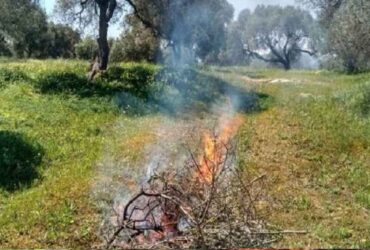
Θεσπρωτία | Νέο πρόστιμο από την Πυροσβεστική 500 ευρώ σε αγρότη για…
Νέο διοικητικό πρόστιμο αξίας 500€ επιβλήθηκε από ανακριτικούς υπαλλήλους της ΔΙ.Π.Υ.Ν. Θεσπρωτίας σε ημεδαπό, ο οποίος δε...
Paramythia online -
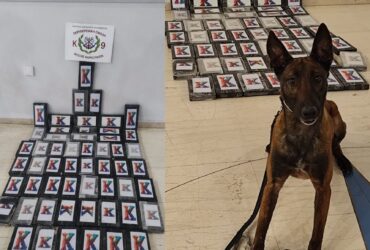
60 κιλά κοκαΐνης αξίας 2 εκ. ευρώ κατασχέθηκαν στην Ηγουμενίτσα. Μία σύλληψη…
Τις βραδινές ώρες χθες, σε γενόμενο έλεγχο από την Ομάδα Κ-9 του Κεντρικού Λιμεναρχείου Ηγουμενίτσας...
Paramythia online -
Προσφορά προϊόντων στο Κοινωνικό Παντοπωλείο απο το κατάστημα “Eco Store”
Ευχαριστήριο
Paramythia online -
-
-
Απο την πανελλήνια εθελοντική δράση “Let’s do it Greece” στο Δήμο Σουλίου…
Δελτίο τύπου
Paramythia online -
Στην Αθηνα συνεχίζεται το ταξίδι των “12 Ένόρκων” της ΘΕΑΤΟ
Το Σάββατο στο Δημοτικό Κινηματογράφο "Αστέρας" της Νέας Ιωνίας
Paramythia online -
Οι Ευρωβουλευτές Κ. Αρβανίτης, Μ. Σπρυράκη και Δ. Γκολιας σε εκδήλωση για…
Την Πέμπτη
Paramythia online -
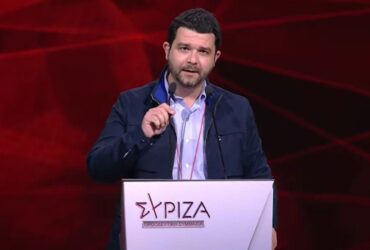
Τα αποτελέσματα των εσωκομματικών εκλογών στον ΣΥΡΙΖΑ. Υποψήφιος Ευρωβουλευτής ο Μ. Κάτσης
Ονοματα
Paramythia online -
Aξιολόγηση καθηγητών: Ένα εργαλείο βελτίωσης της ποιότητας της εκπαίδευσης | Γράφει η…
Ένα ζήτημα που απαιτεί ώριμη και ενδελεχή αντιμετώπιση, προκειμένου να επιτευχθεί η βελτίωση της εκπαιδευτικής...
Paramythia online -
Ας κάνουμε βουτιά στη λογική και στην ανθρωπιά | Γράφει ο π.…
Πόσο θα άλλαζε ο κόσμος αν κοιτούσαμε τους άλλους ως συνανθρώπους, που έχουν τα ίδια...
Paramythia online -
Δείτε τις προσφορές της Εβδομάδας από τα Super Market “ΒΕΡΜΠΗΣ”
Από Δευτέρα 15 Απριλίου μέχρι Κυριακή 21 Απριλίου | Παραμυθιά, Περιφερειακός Γεννηματά - Ηγουμενίτσα, Κύπρου...
Paramythia online -
Μαθήτρια κατήγγειλε ταξιτζή για προσβολή της γενετήσιας αξιοπρέπειας
Κατατέθηκε μήνυση
Paramythia online




























ΠΟΛΙΤΙΚΗ
-
Ο Παντελής Καραπιπέρης για την συμμέτοχή του στις προκριματικές διαδικασίες για το…
Δελτίο τύπου
Paramythia online -





ΑΥΤΟΔΙΟΙΚΗΣΗ
-
Την άλλη Τρίτη η 2η ειδική συνεδρίαση του Δημοτικού Συμβουλίου με θεμα…
Στις 19:00
Paramythia online -




ΤΟΥΡΙΣΜΟΣ


ΑΘΛΗΤΙΚΑ





OIKONOMIA


ΘΡΗΣΚΕΙΑ
-
Βραβεύτηκε ο Σεβασμιώτατος πρώην Παραμυθίας κ. Τίτος στην ημερίδα…
Και ο σύλλογος "Γαλήνη"
Paramythia online -



ΑΦΙΕΡΩΜΑΤΑ



ΤΕΧΝΟΛΟΓΙΑ
-
Atlas Robotics | Το νέο ρομποτικό project στην Θεσπρωτία…
Αίτημα για υπαγωγή στις στρατηγικές επενδύσεις
Paramythia online -