






-
-
Εκδήλωση «Η κατάσταση των δημοσίων δομών Υγείας στην περιοχή μας εκπέμπει SOS»…
Την Πέμπτη 25/4 και ώρα 7.30μ.μ στο «ΠΑΝΘΕΟΝ»
Paramythia online -
-
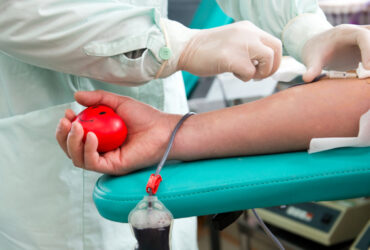
Απο την ημερίδα ευαισθητοποίησης για τη δωρεά οργάνων +Βίντεο
Από τον Ιατρικό Σύλλογο Θεσπρωτίας και το Δήμο Σουλίου
Paramythia online -
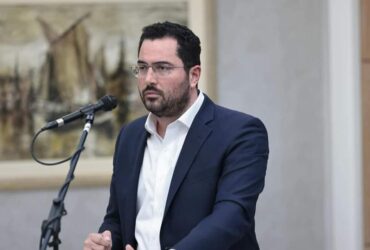
Ανδρέας Σπυρόπουλος | «Το ΠΑΣΟΚ κάνει αντιπολίτευση, οχι ο ΣΥΡΙΖΑ του Πολάκη…
Τι ανέφερε για Φρέντυ Μπελέρη
Paramythia online -
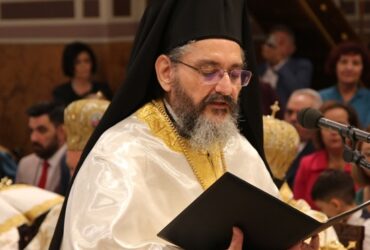
Στον Ε΄ Κατανυκτικό Εσπερινό στον Ι.Ν. Αγίου Δημητρίου Φιλιατών, ο Παραμυθίας κ.…
Την Κυριακή στις 7 το απογευμα
Paramythia online -
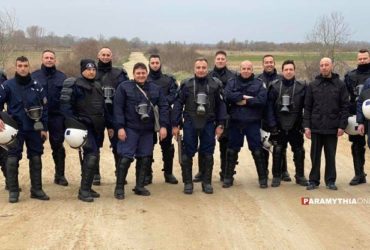
Αστυνομικοί Θεσπρωτίας για επιδόμα παραμεθορίου | “Κάποιοι ξέχασαν την προεκλογική δέσμευση”
Επιστολή προς τον Υπουργό Προστασίας του Πολίτη, την Υφυπουργό Κοινωνικής Συνοχής και τον Βουλευτή Θεσπρωτίας
Paramythia online -
-
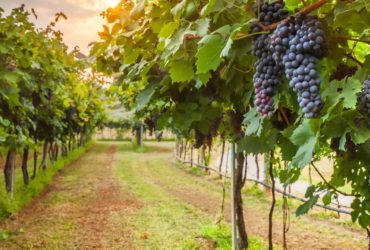
Υποβολή αιτήσεων για άδεια νέας φύτευσης οινοποιήσιμων ποικιλιών αμπέλου στην Θεσπρωτία
Ανακοίνωση της Διεύθυνσης Αγροτικής Οικονομίας και Κτηνιατρικής της Π.Ε. Θεσπρωτίας
Paramythia online -
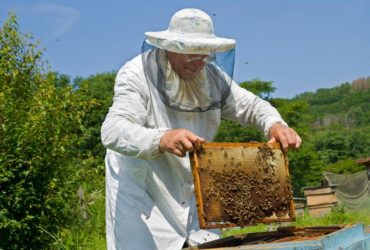
Ενισχύονται οι μελισσοκόμοι της Θεσπρωτίας για εξοπλισμό και τη διευκόλυνση των μετακινήσεων
Ανακοίνωση της Διεύθυνσης Αγροτικής Οικονομίας και Κτηνιατρικής Π.Ε. Θεσπρωτίας
Paramythia online -
-
2η συνάντηση συμβουλευτικής γυναικών από το Κέντρο Κοινότητας του Δ. Σουλίου με…
Στην Χόικα στις 21.04
Paramythia online -
Σήμερα η ημερίδα ευαισθητοποίησης για τη δωρεά οργάνων στο Θέατρο Καρκαμίσι
Στις 7 το απόγευμα από τον Ιατρικό Σύλλογο Θεσπρωτίας και το Δήμο Σουλίου
Paramythia online -
3ημερη εκδρομή σε Έδεσσα, Φλώρινα, Πρέσπες και Καστοριά με το Σύλλογο Συνταξιούχων…
Ανακοίνωση
Paramythia online -
Βραβεύτηκε ο Σεβασμιώτατος πρώην Παραμυθίας κ. Τίτος στην ημερίδα “Φροντίζοντας το Γήρας”
Και ο σύλλογος "Γαλήνη"
Paramythia online -
Στον Αγ. Ιωάννη Προδρόμου Γλυκής την Κυριακή, ο Παραμυθίας κ. Σεραπίωνας.
Στις 7:30 το πρωί
Paramythia online




















ΠΟΛΙΤΙΚΗ
-
Εκδήλωση «Η κατάσταση των δημοσίων δομών Υγείας στην περιοχή μας εκπέμπει SOS»…
Την Πέμπτη 25/4 και ώρα 7.30μ.μ στο «ΠΑΝΘΕΟΝ»
Paramythia online -




ΑΥΤΟΔΙΟΙΚΗΣΗ



ΤΟΥΡΙΣΜΟΣ


ΑΘΛΗΤΙΚΑ





OIKONOMIA
-
Υποβολή αιτήσεων για άδεια νέας φύτευσης οινοποιήσιμων ποικιλιών αμπέλου…
Ανακοίνωση της Διεύθυνσης Αγροτικής Οικονομίας και Κτηνιατρικής της Π.Ε. Θεσπρωτίας
Paramythia online -


ΘΡΗΣΚΕΙΑ
-
Στον Ε΄ Κατανυκτικό Εσπερινό στον Ι.Ν. Αγίου Δημητρίου Φιλιατών,…
Την Κυριακή στις 7 το απογευμα
Paramythia online -


ΑΦΙΕΡΩΜΑΤΑ
-
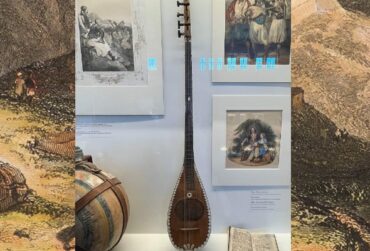
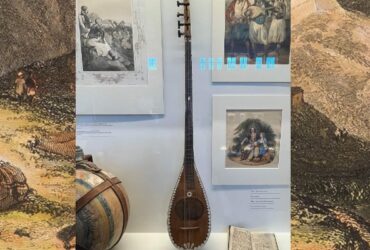
Σώζεται ο ταμπουράς του Σουλιώτη Φώτου Τζαβέλλα, ο παλαιότερος…
Γράφει ο π. Ηλίας Μάκος
Paramythia online -



ΤΕΧΝΟΛΟΓΙΑ
-
Atlas Robotics | Το νέο ρομποτικό project στην Θεσπρωτία…
Αίτημα για υπαγωγή στις στρατηγικές επενδύσεις
Paramythia online -