









-
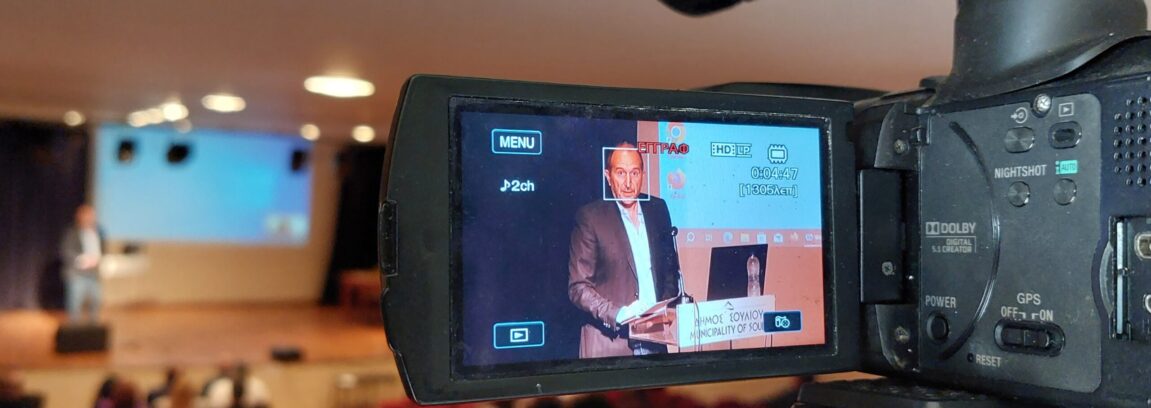
Σήμερα η ημερίδα ευαισθητοποίησης για τη δωρεά οργάνων στο Θέατρο Καρκαμίσι
Στις 7 το απόγευμα από τον Ιατρικό Σύλλογο Θεσπρωτίας και το Δήμο Σουλίου
Paramythia online -
3ημερη εκδρομή σε Έδεσσα, Φλώρινα, Πρέσπες και Καστοριά με το Σύλλογο Συνταξιούχων…
Ανακοίνωση
Paramythia online -
Βραβεύτηκε ο Σεβασμιώτατος πρώην Παραμυθίας κ. Τίτος στην ημερίδα “Φροντίζοντας το Γήρας”
Και ο σύλλογος "Γαλήνη"
Paramythia online -
Στον Αγ. Ιωάννη Προδρόμου Γλυκής την Κυριακή, ο Παραμυθίας κ. Σεραπίωνας.
Στις 7:30 το πρωί
Paramythia online -
Ο Παντελής Καραπιπέρης για την συμμέτοχή του στις προκριματικές διαδικασίες για το…
Δελτίο τύπου
Paramythia online -
Πέντε «καυτοί» μήνες για την Εγνατία…
Η πλήρης σύμβαση της παραχώρηση θα κατατεθεί στη Βουλή οπότε εκεί θα διαβαστούν και οι…...
Paramythia online -
Ανοιχτή επιστολή και υπογραφές για τροχαία ατυχήματα με ζώα
Με αφορμή ατύχημα 32χρονου
Paramythia online -
Η Νέα Δημοκρατία Θεσπρωτίας απαντά στο ΠΑΣΟΚ Θεσπρωτίας για την κτηματογράφηση του…
Δελτίο τύπου
Paramythia online -
Καραγκούνης και Ζαγοράκης στο φιλικό Παραμυθιάς και Καναλακίου για τον 48χρονο αγνοούμενο…
Με την ημερομηνία του αγώνα να αλλάζει για το Σάββατο του Λάζαρου 27/4 λόγω υποχρεώσεων...
Paramythia online -
Ανδρέας Σπυρόπουλος | «Μια ισχυρή εκπροσώπηση στο Ευρωπαϊκό Κοινοβούλιο συμβάλει στη διεκδίκηση…
«Οι ευρωπαϊκές εκλογές είναι ευκαιρία για να επιλέξει ο λαός αξιωματική αντιπολίτευση και τη δύναμη...
Paramythia online -
-
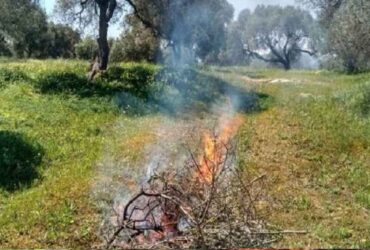
Θεσπρωτία | Νέο πρόστιμο από την Πυροσβεστική 500 ευρώ σε αγρότη για…
Νέο διοικητικό πρόστιμο αξίας 500€ επιβλήθηκε από ανακριτικούς υπαλλήλους της ΔΙ.Π.Υ.Ν. Θεσπρωτίας σε ημεδαπό, ο οποίος δε...
Paramythia online -
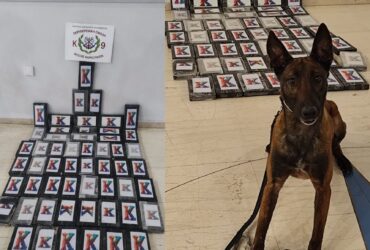
60 κιλά κοκαΐνης αξίας 2 εκ. ευρώ κατασχέθηκαν στην Ηγουμενίτσα. Μία σύλληψη…
Τις βραδινές ώρες χθες, σε γενόμενο έλεγχο από την Ομάδα Κ-9 του Κεντρικού Λιμεναρχείου Ηγουμενίτσας...
Paramythia online -
Προσφορά προϊόντων στο Κοινωνικό Παντοπωλείο απο το κατάστημα “Eco Store”
Ευχαριστήριο
Paramythia online -
-

























ΠΟΛΙΤΙΚΗ
-
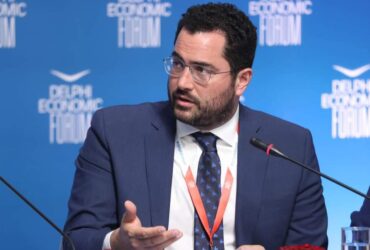
Ανδρέας Σπυρόπουλος | «Το ΠΑΣΟΚ κάνει αντιπολίτευση, οχι ο ΣΥΡΙΖΑ του Πολάκη…
Τι ανέφερε για Φρέντυ Μπελέρη
Paramythia online -





ΑΥΤΟΔΙΟΙΚΗΣΗ



ΤΟΥΡΙΣΜΟΣ

ΑΘΛΗΤΙΚΑ





OIKONOMIA
-
Υποβολή αιτήσεων για άδεια νέας φύτευσης οινοποιήσιμων ποικιλιών αμπέλου…
Ανακοίνωση της Διεύθυνσης Αγροτικής Οικονομίας και Κτηνιατρικής της Π.Ε. Θεσπρωτίας
Paramythia online -



ΘΡΗΣΚΕΙΑ
-
Στον Ε΄ Κατανυκτικό Εσπερινό στον Ι.Ν. Αγίου Δημητρίου Φιλιατών,…
Την Κυριακή στις 7 το απογευμα
Paramythia online -




ΑΦΙΕΡΩΜΑΤΑ



ΤΕΧΝΟΛΟΓΙΑ
-
Atlas Robotics | Το νέο ρομποτικό project στην Θεσπρωτία…
Αίτημα για υπαγωγή στις στρατηγικές επενδύσεις
Paramythia online -