






-
Πασχαλινή προσφορά στο Κοινωνικό Παντοπωλείο από το κρεοπωλείο “Χρόνης” στην Ηγουμενίτσα
Ευχαριστήριο
Paramythia online -
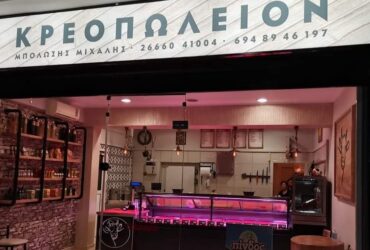
Πασχαλινή προσφορά στο Κοινωνικό Παντοπωλείο από το κρεοπωλείο “Μπόλωσης” στην Γλυκή
Ευχαριστήριο
Paramythia online -
Πασχαλινή προσφορά στο Κοινωνικό Παντοπωλείο απο το κρεοπωλείο “Θωμάς Ε. Σπυρίδων” στην…
Ευχαριστήριο
Paramythia online -
Πασχαλινή προσφορά στο Κοινωνικό Παντοπωλείο από το κρεοπωλείο “Μπουκουμάνη” στους Φιλιάτες
Ευχαριστήριο
Paramythia online -
Πασχαλινή προσφορά στο Κοινωνικό Παντοπωλείο απο το κρεοπωλείο “ΦΑΡΜΑ ΒΕΝΟΣ” στην Ηγουμενίτσα
Ευχαριστήριο
Paramythia online -
-
220 χρόνια μετά τιμήθηκε η θυσία των Σουλιωτών στη Μονή Σέλτσου
Γράφει ο π. Ηλίας Μάκος
Paramythia online -
Το “Κυνήγι του Χαμένου Αυγού”, από τον σύλλογο γονέων του Α’ Δημοτικού…
Την Παρασκευή 26 Απριλίου και ώρα 7:00 μμ στον πεζόδρομο
Paramythia online -
Πασχαλινή προσφορά στο Κοινωνικό Παντοπωλείο απο το κρεοπωλείο “Γόγολος Χριστ. Θεόδωρος” στην…
Ευχαριστήριο
Paramythia online -
Πασχαλινή προσφορά στο κοινωνικό παντοπωλείο απο την διεθνή ανθρωπιστική οργάνωση Griechenlandhilfe Schweiz
Ευχαριστήριο
Paramythia online -
-
-
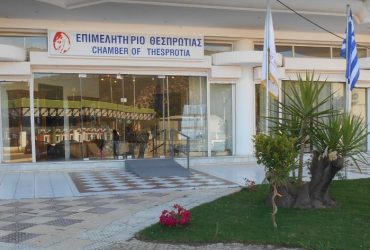
Το επιμελητήριο Θεσπρωτίας συνεχίζει να στηρίζει το κοινωνικό παντοπωλείο
Ευχαριστήριο
Paramythia online -
Ο πίνακας προσλήψεων μέσω του προγράμματος απασχόλησης μακροχρόνια ανέργων 55-67 ετών στο…
Η αποφαση
Paramythia online -
Πασχαλινή προσφορά στις οικογένειες του κοινωνικού παντοπωλείου απο το Αρτοποιείο Δημητρίου στην…
Ευχαριστήριο
Paramythia online -
Συνδικάτο Οικοδόμων Θεσπρωτίας | Προβολή ντοκιμαντέρ για την Εργατική Πρωτομαγιά
Κάλεσμα
Paramythia online

























ΠΟΛΙΤΙΚΗ
-
Στη Σαουδική Αραβία ο Βασίλης Γιόγιακας, σε επίσημη επίσκεψη αντιπροσωπείας της Βουλής
Δελτίο τύπου
Paramythia online -





ΑΥΤΟΔΙΟΙΚΗΣΗ
-
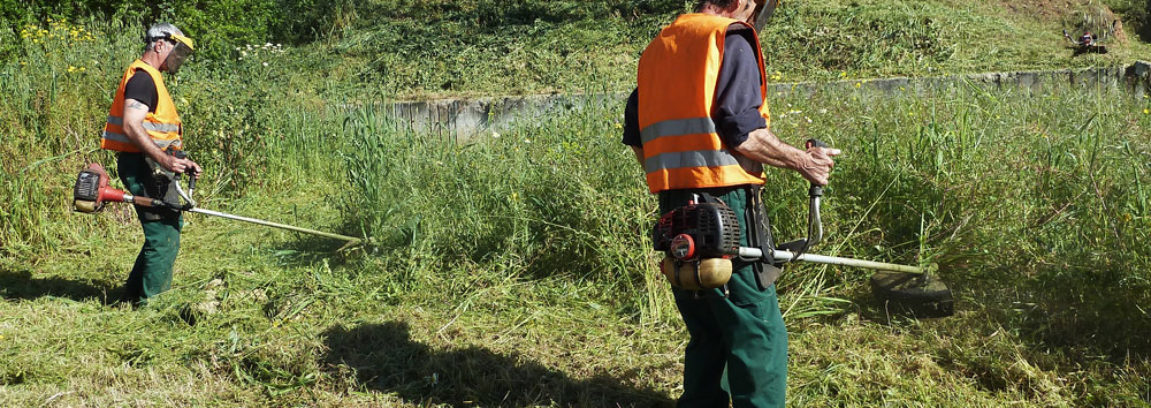
8 προσλήψεις ορισμένου χρόνου για τις δράσεις πυροπροστασίας στο δήμο Σουλίου
Μέχρι 29 Απριλίου οι αιτήσεις
Paramythia online -




ΤΟΥΡΙΣΜΟΣ




ΑΘΛΗΤΙΚΑ
-
Πρωταθλητής Ευρώπης στη Youth League με τον Ολυμπιακό ο…
Η Κ19 των «ερυθρόλευκων» νίκησε 3-0 τη Μίλαν στον τελικό του Youth League και έγινε η...
Paramythia online -





OIKONOMIA
-
Αγροτικό Τμήμα συστήνεται στο Επιμελητήριο Θεσπρωτίας
Θα εγγράφονται όσοι ασχολούμενοι με τον πρωτογενή τομέα ασκούν εμπορική δραστηριότητα
Paramythia online -




ΘΡΗΣΚΕΙΑ




ΑΦΙΕΡΩΜΑΤΑ
-
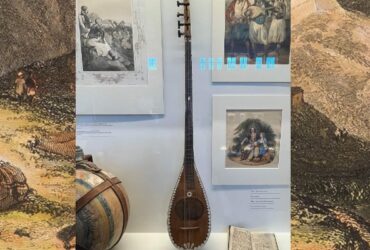
Σώζεται ο ταμπουράς του Σουλιώτη Φώτου Τζαβέλλα, ο παλαιότερος…
Γράφει ο π. Ηλίας Μάκος
Paramythia online -



ΤΕΧΝΟΛΟΓΙΑ
-
Atlas Robotics | Το νέο ρομποτικό project στην Θεσπρωτία…
Αίτημα για υπαγωγή στις στρατηγικές επενδύσεις
Paramythia online -