







-
-
Μειώνεται πληθυσμιακά η Θεσπρωτία. Πίνακες με τους κατοίκους των χωριών
Γράφει ο π. Ηλίας Μάκος
Paramythia online -
Οι εργαζόμενοι της Εγνατίας για την ασφάλεια του αυτοκινητόδρομου
«Οι δηλώσεις μπορεί να ανακλήθηκαν και το θέμα να θεωρείται λήξαν, μετά και από παρέμβαση...
Paramythia online -
Συμβουλευτικό γραφείο Κλινικής Διατροφής στο Νοσοκομείο Φιλιατών
Θα παρέχονται διαιτολογικές υπηρεσίες όσον αφορά παθολογικά περιστατικά
Paramythia online -
Δήλωση του προέδρου της Ενωσης Αστυνομικών Θεσπρωτίας Βασίλη Νάκου για το αποτέλεσμα…
Ευχαριστήριο
Paramythia online -
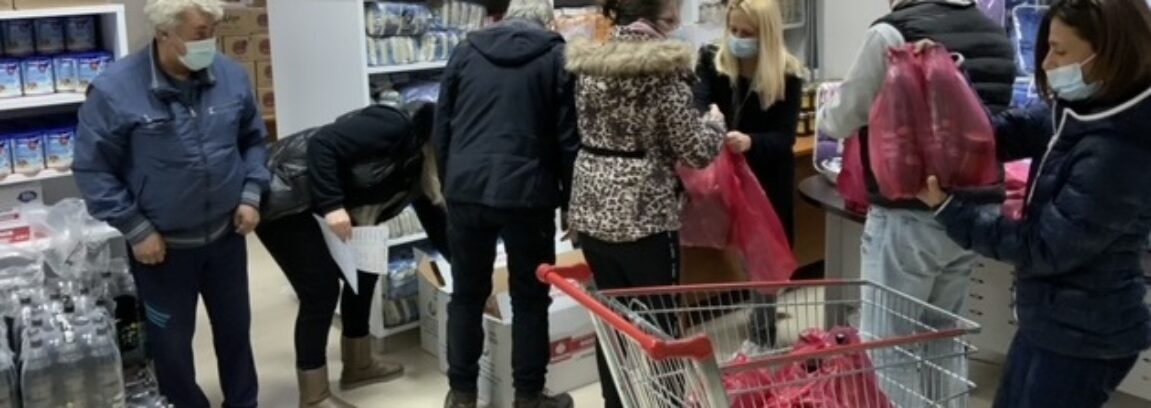
Πασχαλινή προσφορά στο Κοινωνικό Παντοπωλείο από την “Ποτοποιία Διαμάντης”
Ευχαριστήριο
Paramythia online -
Πασχαλινή προσφορά στο κοινωνικό παντοπωλείο από το Super Market «ΡΑΜΜΟΣ»
Ευχαριστήριο
Paramythia online -
Πασχαλινή προσφορά στο Κοινωνικό Παντοπωλείο απο το Τυροκομείο «Ζαγόρι»
Ευχαριστήριο
Paramythia online -
Πασχαλινή προσφορά απο την ΧΗΤΟΣ ΑΒΕΕ «Νερό Ζαγόρι» στο κοινωνικό παντοπωλείο
Ευχαριστήριο
Paramythia online -
-
Πασχαλινή προσφορά στο Κοινωνικό Παντοπωλείο από το “Φούρνο στο Λιμάνι – Πανταζής”
Ευχαριστήριο
Paramythia online -
Πασχαλινή προσφορά στο Κοινωνικό Παντοπωλείο απο την «Τράπεζα Τροφίμων Ηπείρου»
Ευχαριστήριο
Paramythia online -
Πασχαλινή προσφορά στο Κοινωνικό Παντοπωλείο από το μη κερδοσκοπικό σύλλογο “Griechenlandhilfe”
Ευχαριστήριο
Paramythia online -
Πασχαλινή προσφορά στο Κοινωνικό Παντοπωλείο από τα γαλακτοκομικά προϊόντα «ΜΑΚΡΗΣ»
Ευχαριστήριο
Paramythia online -
8 προσλήψεις ορισμένου χρόνου για τις δράσεις πυροπροστασίας στο δήμο Σουλίου
Μέχρι 29 Απριλίου οι αιτήσεις
Paramythia online -
Σε εξέλιξη τα 3ήμερα Καλλιτεχνικά Εργαστήρια. Έρχεται μεγάλο φεστιβάλ | Βίντεο
Συνέντευξη
Paramythia online
















ΠΟΛΙΤΙΚΗ
-
Στη Σαουδική Αραβία ο Βασίλης Γιόγιακας, σε επίσημη επίσκεψη αντιπροσωπείας της Βουλής
Δελτίο τύπου
Paramythia online -




ΑΥΤΟΔΙΟΙΚΗΣΗ
-
Πασχαλινή προσφορά στο Κοινωνικό Παντοπωλείο απο το Τυροκομείο «Ζαγόρι»
Ευχαριστήριο
Paramythia online



ΤΟΥΡΙΣΜΟΣ




ΑΘΛΗΤΙΚΑ
-
Πρωταθλητής Ευρώπης στη Youth League με τον Ολυμπιακό ο…
Η Κ19 των «ερυθρόλευκων» νίκησε 3-0 τη Μίλαν στον τελικό του Youth League και έγινε η...
Paramythia online -





OIKONOMIA
-
Το εορταστικό ωράριο λειτουργίας των καταστημάτων της Παραμυθιάς για…
Από την Μεγάλη Δευτέρα
Paramythia online -




ΘΡΗΣΚΕΙΑ




ΑΦΙΕΡΩΜΑΤΑ
-
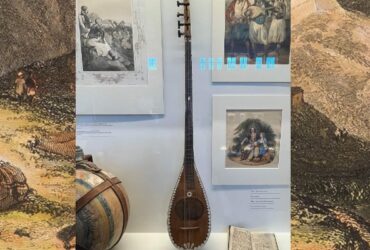
Σώζεται ο ταμπουράς του Σουλιώτη Φώτου Τζαβέλλα, ο παλαιότερος…
Γράφει ο π. Ηλίας Μάκος
Paramythia online -



ΤΕΧΝΟΛΟΓΙΑ
-
Atlas Robotics | Το νέο ρομποτικό project στην Θεσπρωτία…
Αίτημα για υπαγωγή στις στρατηγικές επενδύσεις
Paramythia online -